
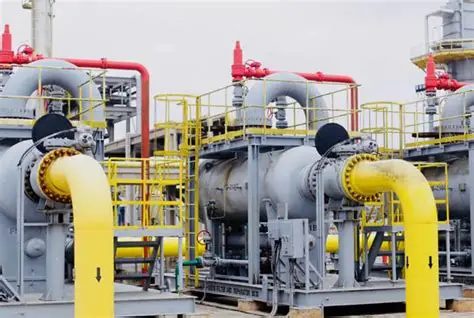
The revival of the Tema Oil Refinery (TOR) should not only be celebrated as the return of a critical national asset but also seen as a lesson in how strategic partnerships can transform struggling state-owned enterprises.
At the commissioning of TOR’s refurbished Crude Distillation Unit (CDU) on August 1, President John Dramani Mahama described the refinery’s resurgence as evidence of what “leadership, vision, talent and strategic partnerships” can achieve. His remarks captured what many observers believe is the defining factor behind the refinery’s turnaround.
In his statement recorded in the refinery’s visitors’ book, the President credited the determination of TOR’s management, board, workers and strategic partners for reversing the fortunes of the refinery.
“To the glory of God, a determined management and board, together with dedicated workers and strategic partners, have turned the fortunes of this refinery around.”
Perhaps even more striking was the President’s assertion that the recovery had been achieved without direct financial support from the government.
“TOR has achieved all this on its own. The Government of Ghana has not put a single cedi into this rebound.”
The commissioning also marked the successful processing of one million barrels of Jubilee Field Medium Sweet Crude into refined petroleum products, signalling the refinery’s return to meaningful operations after years of uncertainty.
Beyond the celebration, however, lies an important policy lesson. If strategic partnerships have helped restore TOR, then Ghana should seriously consider adopting a similar approach for other struggling state-owned enterprises.
TOR’s resurgence demonstrates that with the right leadership, governance and partnerships, even institutions once considered distressed can be revived.
Several public institutions—including GIHOC, VALCO, Ghana Heavy Equipment Limited (GHEL) and the Produce Buying Company (PBC)—have for years grappled with operational and financial challenges. While each has its own unique circumstances, they share a common need for fresh capital, modern management practices and technical expertise.
Strategic partnerships do not necessarily mean relinquishing national assets. Rather, they offer an opportunity for government to leverage private investment, share risks, improve operational efficiency and unlock value that may otherwise remain dormant under exclusive state ownership.
Government’s priority should not be maintaining absolute control over state enterprises at all costs. Instead, the focus should be on ensuring these institutions become productive, competitive and financially sustainable while continuing to serve the national interest.
The time has come for the government and the country to be honest to itself and move towards forging strategic partnerships aimed at promoting private ownership in fully owned state companies. The focus of government should be growth of these entities and not full control or ownership which yields nothing to the country.
This will allow the state to leverage private capital, diversify risks and attract the required expertise needed to make such entities competitive and profitable for the state.
The challenge now is whether policymakers will replicate the “TOR model” across other state-owned enterprises that continue to burden the public purse instead of contributing meaningfully to Ghana’s economic growth.