
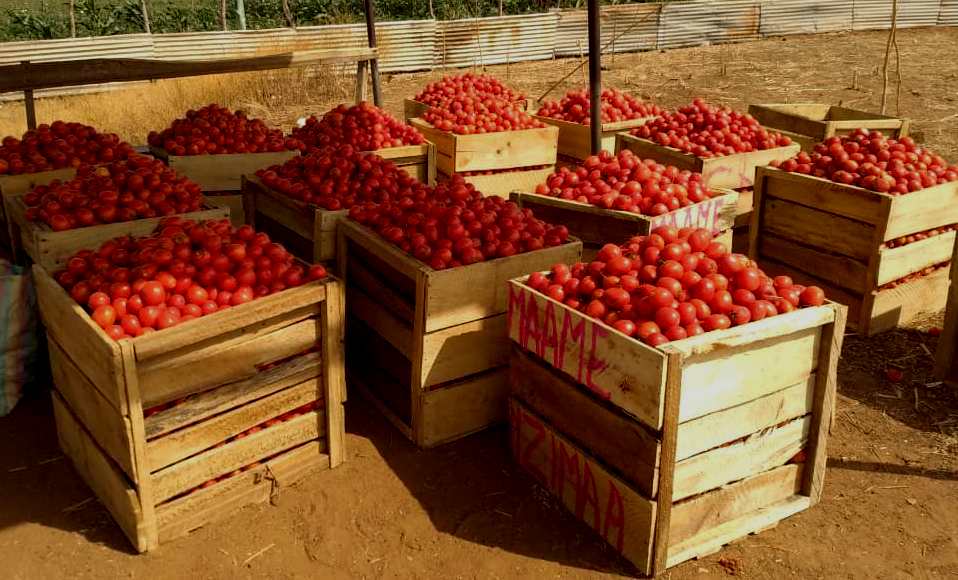
Ghana loses an estimated GH¢5.7 billion each year because of heavy reliance on imported tomatoes, inefficient local production, and weak value-addition infrastructure, the Chamber of Agribusiness Ghana (CAG) has revealed.
Economic Drain Equivalent to 1.2% of GDP
The Chamber said the figure represents 1.2% of Ghana’s GDP and was highlighted during the launch of the National Tomato Production Strategy (2026–2030), developed with key stakeholders across the tomato value chain.
High Import Bills
Ghana spends GH¢650–760 million annually importing fresh tomatoes and tomato paste. The country imports between 75,000 and 100,000 metric tonnes of fresh tomatoes and 78,000–100,000 metric tonnes of tomato paste, making it the world’s second-largest importer of tomato paste after Germany.
Hidden Costs Beyond Imports
CAG noted that Ghana also loses GH¢180–220 million in uncollected taxes, including income tax, VAT, and corporate taxes, due to the underdeveloped local tomato industry, which could otherwise create around 250,000 jobs.
Post-Harvest Losses
Post-harvest losses remain a major challenge, with GH¢175–250 million worth of locally grown tomatoes rotting annually due to inadequate cold storage—accounting for 30–45% of total production losses.
Lost Wages and Economic Opportunities
The Chamber highlighted that GH¢4.5 billion in potential wages are lost each year, with benefits instead going to foreign farmers and processors supplying the Ghanaian market. Security risks in cross-border trade, such as recent unrest in Burkina Faso, have also disrupted local tomato trading.
A Strategy to Transform the Sector
CAG proposed a GH¢3.2 billion investment under its National Tomato Production Strategy to reduce imports by at least GH¢600 million annually, generate GH¢220 million in tax revenue, and boost domestic production capacity.
The Chamber stressed that urgent investment and coordinated policies are crucial to protect national food security, support local traders, and keep billions of cedis within Ghana.