
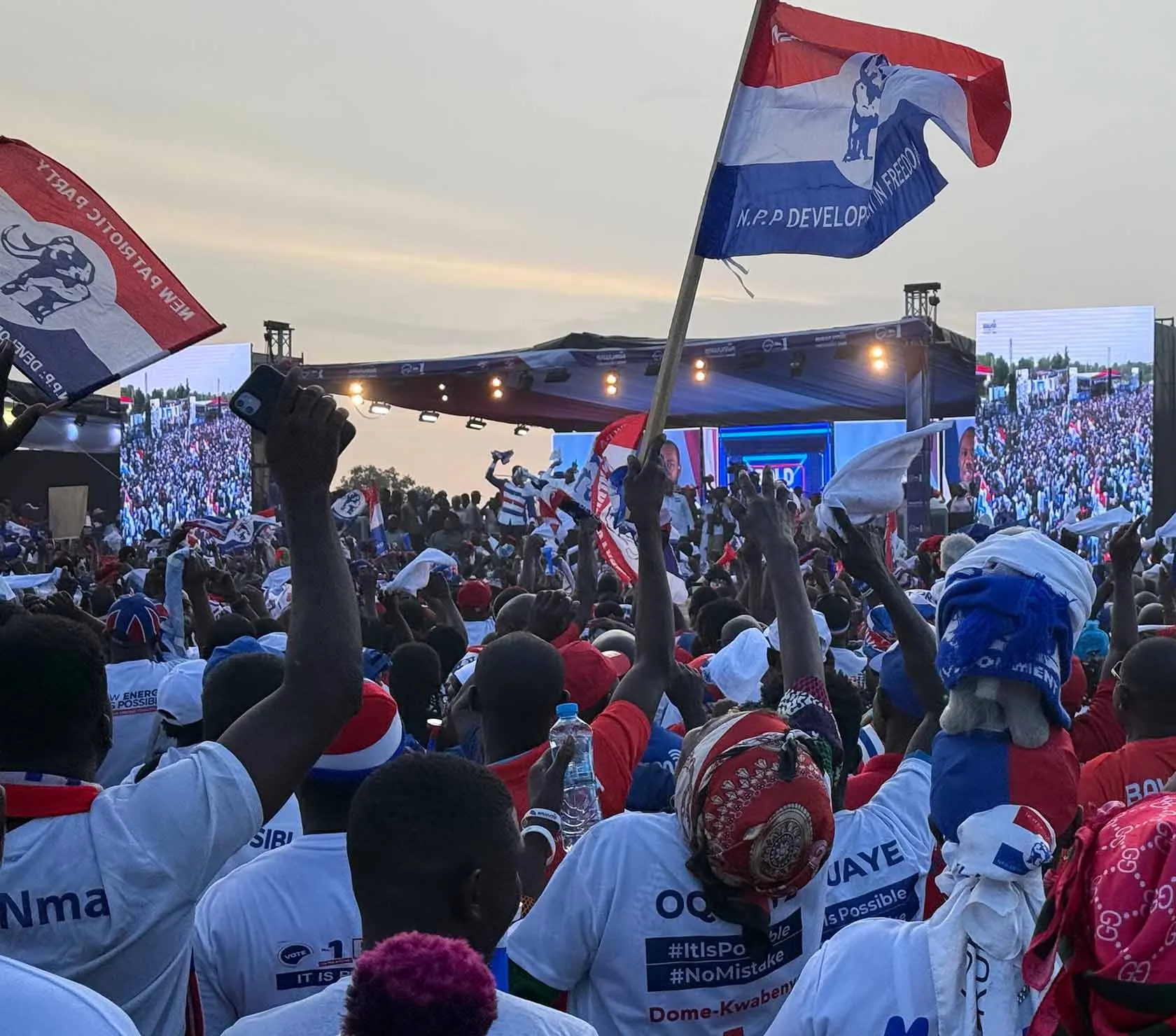
Renowned academic and writer, Prof. Kwesi Yankah, has offered a satirical yet critical assessment of the New Patriotic Party’s (NPP) upcoming presidential primaries, drawing parallels between internal party contests and “primary school playground politics.”
In a commentary titled “Presidential Primaries and Five Primary School Boys,” Prof. Yankah reflects on Ghana’s democratic culture, arguing that the country’s constitution makes it relatively easy for anyone to aspire to the presidency—sometimes for reasons beyond serious nation-building intentions.
He traces the history of internal party contests, recalling how excessive competition and fragmentation within the Danquah-Busia tradition have, in the past, weakened electoral chances. He references the 1979 split between the Popular Front Party (PFP) and the United National Convention (UNC), as well as the NPP’s 2007 presidential primaries, which featured 17 aspirants and left deep divisions within the party.
According to Prof. Yankah, the 2007 contest—often described as “Ali Baba and the 17”—resulted in post-primary disunity that contributed to the party’s loss in the 2008 general election to the National Democratic Congress (NDC), led by the late President John Evans Atta Mills.
Turning attention to the 2026 primaries, Prof. Yankah notes that the NPP has reduced its presidential aspirants to five, a development he believes presents a better opportunity for party cohesion ahead of the 2028 general elections. However, he cautions that the extended post-primary period could either be used to heal internal wounds or deepen divisions.
The former Minister of Education also comments on recent attempts at peace-building among aspirants, describing them as tense and unconvincing, citing public disagreements and the refusal of one candidate to endorse an incomplete peace pact.
Despite these challenges, Prof. Yankah observes that the primaries have energized party activities nationwide, benefiting delegates through extensive engagement, campaigning, and logistics support from aspirants.
He goes on to briefly assess the strengths of each contender, acknowledging their experience, intellectual capacity, grassroots appeal, and leadership potential, while urging them to focus on uniting the party rather than attacking one another.
Prof. Yankah, who identifies himself as a delegate, concludes by calling on party members to prioritize unity and discipline, warning that ambition-driven divisions could undermine the party’s chances in the next general election.
The commentary has sparked discussion on social media and political platforms, with many readers praising its humor, historical depth, and cautionary message on internal democracy and party cohesion.